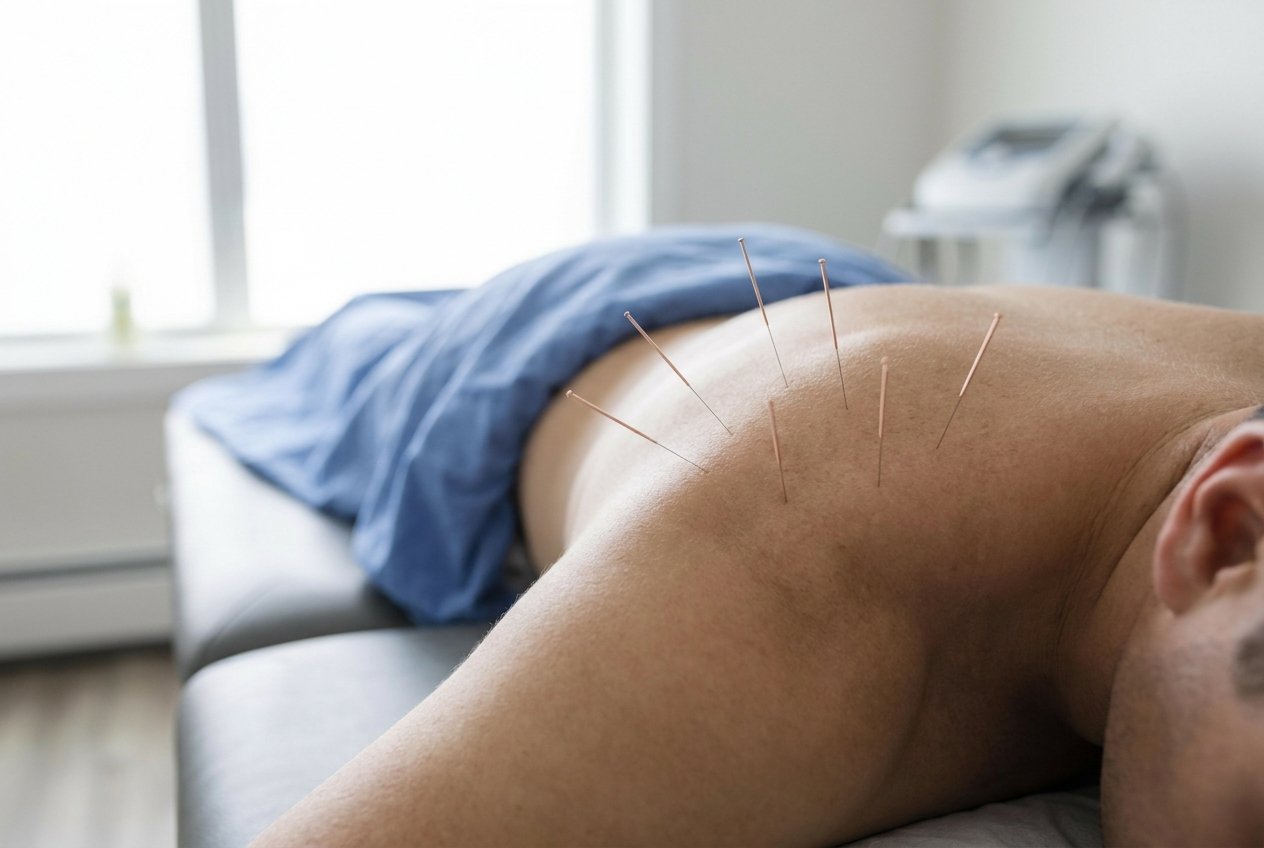

Dry needling is grounded in Western medical concepts and aims to relieve pain and tension. It is a more evidence-based method than acupuncture, which has its roots in Traditional Chinese Medicine. A qualified physiotherapist uses dry needling to treat a range of musculoskeletal disorders and to relieve muscle pain. It involves inserting sterilised fine needles into specific trigger points within your connective tissue, muscles or fascia. Let's look at dry needling on the Sunshine Coast and how it can help relieve your pain.
How Does It Work?
The slight stimulus and micro-trauma that dry needling creates in the skin and underlying tissue encourages a small, beneficial inflammatory response. This is how your muscles begin to heal themselves once the trigger point is stimulated. The stimulation also prompts the release of endorphins and other substances that act as catalysts for muscle recovery.
Stimulating the sensory nerves beneath the targeted muscles is another benefit of dry needling. These nerves send signals to the brain to release more endorphins, which help relieve muscular pain. Nerve fibres are then activated that help block pain signals from reaching the spinal cord. The result is pain relief in tender muscles, along with greater comfort and relaxation.
How Dry Needling Assessment and Therapy Works in Physiotherapy
Your full medical background and any current health problems will form part of the assessment your physiotherapist carries out. After determining whether dry needling is likely to be effective, we will advise you on the best options, as an alternative treatment approach may sometimes be more beneficial for you.
The number of needles used in the first session will vary depending on you, your condition and the severity of your symptoms.
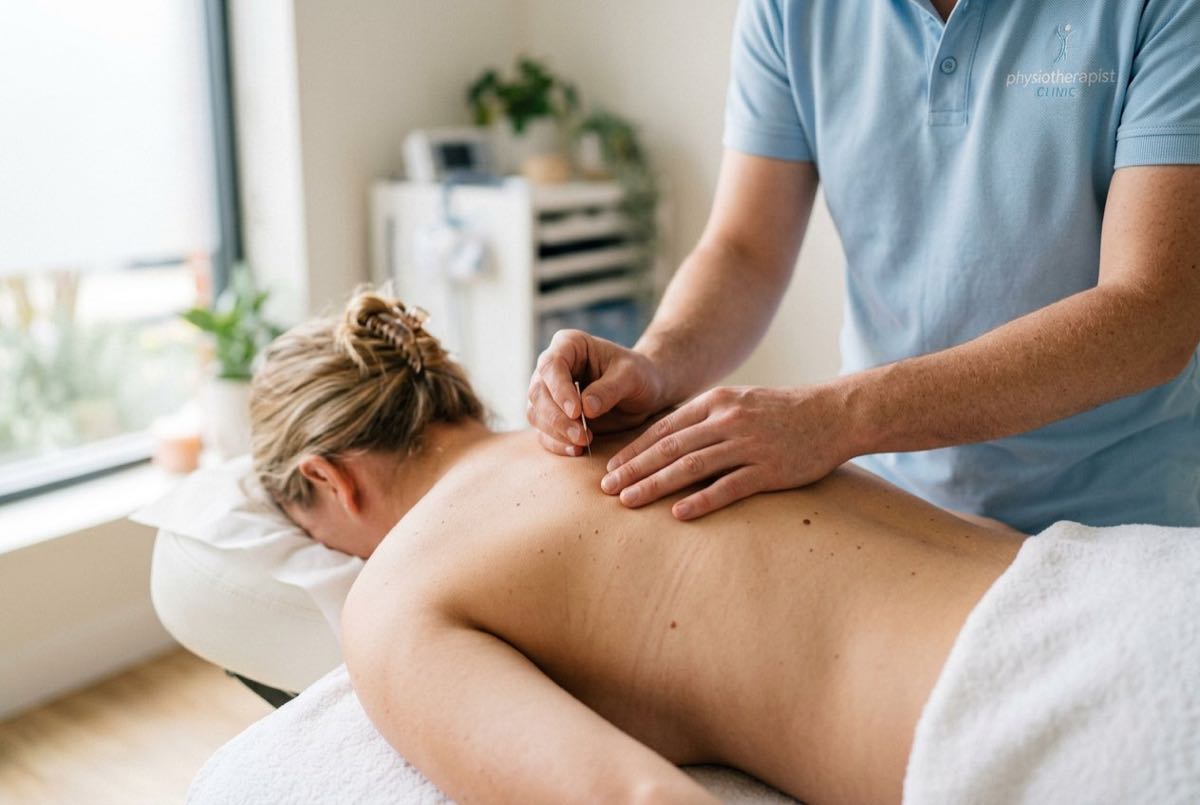
During the treatment, a trained physiotherapist inserts needles into the skin, targeting both the painful area and surrounding areas to help accelerate healing. The needles are gently removed and disposed of after being left in place for anywhere from a few seconds to around half an hour.
You might only need a few dry needling sessions, but in some cases a course of six or more treatments may be necessary. Your condition, how you respond to treatment and your clinical presentation will all play a role. It is usually clear by the third session whether the treatment is working and whether it should be continued.
Dealing with this on the Sunshine Coast?
Our chiropractors and physiotherapists treat this every day in Mooloolaba and Nambour — same-day appointments are often available.
How Dry Needling Relieves Muscle Pain
Dry needling combines traditional and modern healing principles. Here is how it works to relieve pain.
1. Speeds up your body's natural healing processes
By inserting a fine needle into your body's trigger points, you can increase blood flow, reduce inflammation, relax your muscles and kick-start the healing process.
This therapeutic procedure also enhances nerve transmission and triggers signals in your body that release endorphins, which are natural pain relievers. In simple terms, they reduce the sensation of pain. The technique can also boost blood flow, relax stiff muscles, reduce joint pain and improve the circulation of blood and oxygen around your body.
2. Reduces tense muscles
Dry needling eases discomfort and helps relax tense muscles. A twitch response, caused by the needle reaching one of your trigger points, is a clear sign that the therapy is taking effect.
3. Helps treat tendinitis
It can soothe discomfort. This means a well-targeted physiotherapy session using fine needles can help relieve tense muscles, reduce inflammation and tendonitis, and support the healing process.
4. Eases migraines and headaches
To help muscles relax and release tension, dry needling targets trigger points in the muscles and surrounding tissue. This helps reduce the pressure that drives headaches and can help prevent them from developing.
Conclusion
Dry needling is one of many techniques used in physiotherapy as part of an integrated approach to managing pain, inflammation and overall wellbeing. It is a modality currently used in Western medicine to treat pain, and physiotherapists typically receive their training through a postgraduate professional development provider. Dry needling works well for pain relief and can help with a variety of common health issues. It can be used alongside other physiotherapy treatments or as a stand-alone treatment. Booking dry needling on the Sunshine Coast with qualified therapists lets us determine the best course of action for you.
Frequently Asked Questions
Is it worth trying dry needling?
It is well worth a try if you are struggling with any of the following:
- Hip discomfort
- Neck pain
- Knee discomfort
- Shoulder pain
- Lower back pain
- Myofascial discomfort
As you can see, dry needling can help reduce a wide range of pain and soreness.
Does dry needling hurt?
Trigger points are usually tender to the touch. As your clinician locates the trigger point, you may feel some discomfort before the needling begins.
You may also feel some sensation during the procedure itself. Because the needle is so fine, people sometimes do not feel it going in, while at other times they notice a small prick. A twitch response and a brief ache can occur when the needle reaches the trigger point. It is important to keep exercising and stretching afterwards, even if you feel some tightness or soreness near the insertion site.
Who is dry needling not suitable for?
Dry needling should not be carried out on certain groups of people. Because the procedure can be uncomfortable, practitioners generally advise against performing it on children under twelve. Consent is required from both you and your child, so it is worth considering less invasive alternatives first. People in the following groups should speak with their doctor before undergoing dry needling:
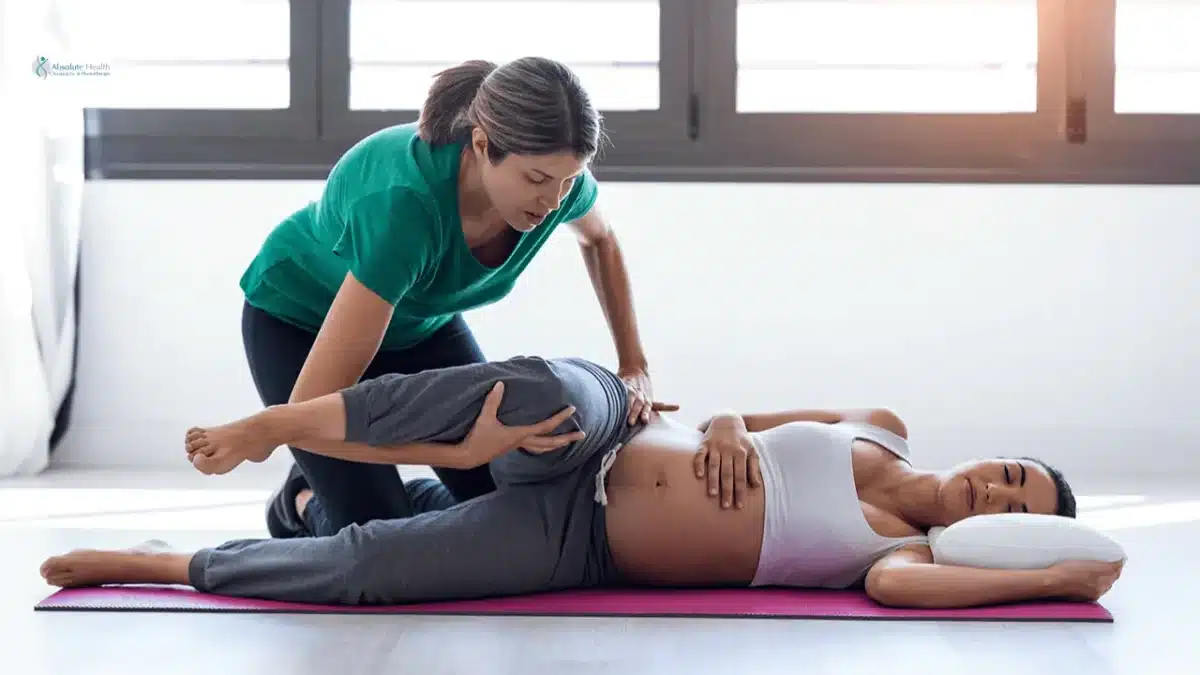
- Those who are pregnant
- Those who cannot understand the course of treatment
- Those with a severe fear of needles (trypanophobia)
- Those with weakened immune systems
- Those who have recently had surgery
- Those taking blood thinners