Hip pain can make walking, sleeping, and even sitting deeply uncomfortable. Whether it's a sharp groin catch, an aching outer hip, or stiffness that builds through the day, our Sunshine Coast practitioners identify the source and treat it properly.
Written and clinically reviewed by Matthew Smith (Chiropractor) and Geoff Villacis (Physiotherapist) · Reviewed August 2026
Hip pain is one of those conditions that is frequently mislocated. Pain felt in the outer hip, buttock, or groin often doesn't originate in the hip joint itself - it may come from the gluteal tendons, the bursa, the sacroiliac joint, the lumbar spine, or the deep hip rotator muscles. Getting the diagnosis right is the foundation of effective treatment.
The most common causes include gluteal tendinopathy (the leading cause of lateral hip pain in adults over 40), hip joint osteoarthritis, trochanteric bursitis, iliopsoas tendinopathy, labral tears, and referred pain from the lumbar spine or sacroiliac joint. Less commonly, hip pain can be a sign of something systemic that warrants further investigation.
Because the hip, pelvis, lumbar spine, and knee are so closely linked through shared muscle groups and movement patterns, what presents as hip pain often involves more than one structure. We assess the whole system - not just where it hurts.
Both practitioners treat hip pain effectively - the best choice depends on what's actually driving your symptoms. Here's how each approach works.
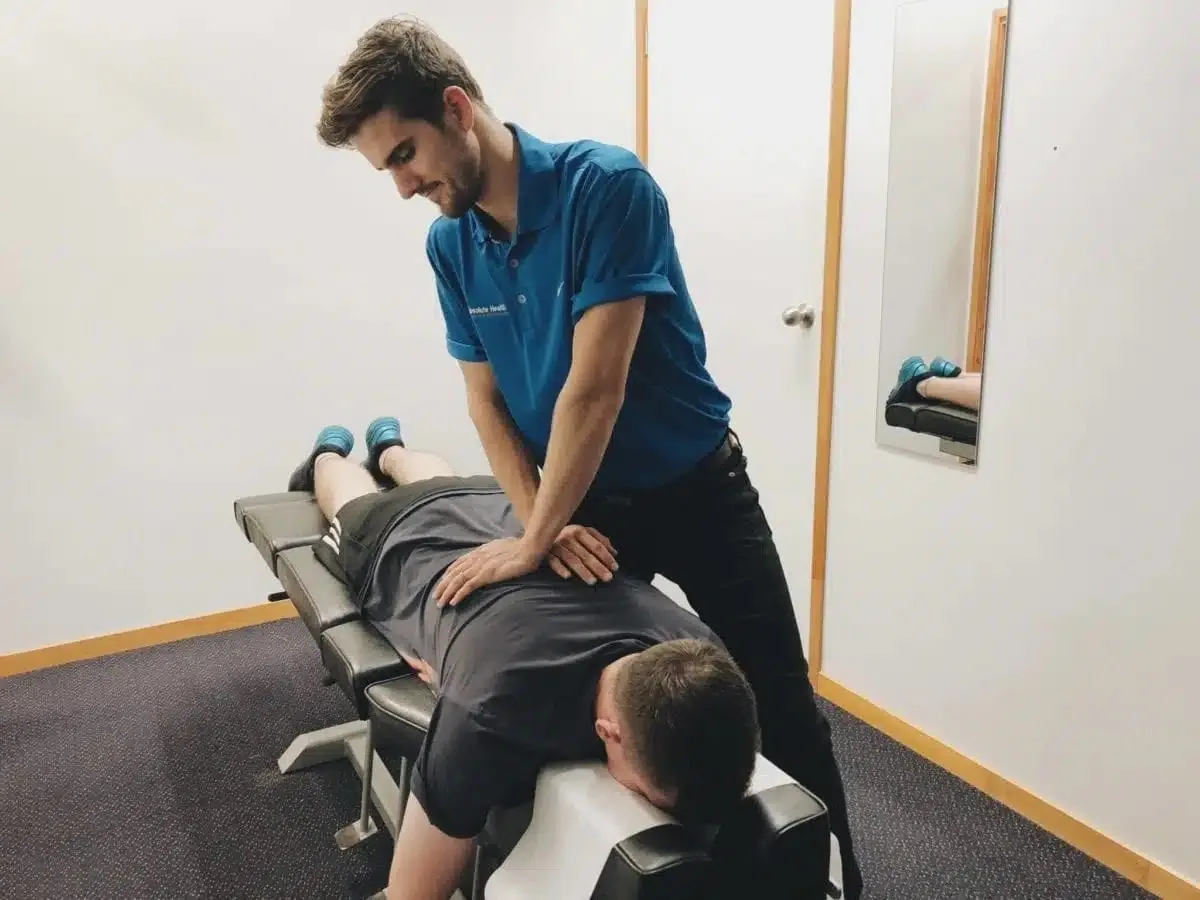
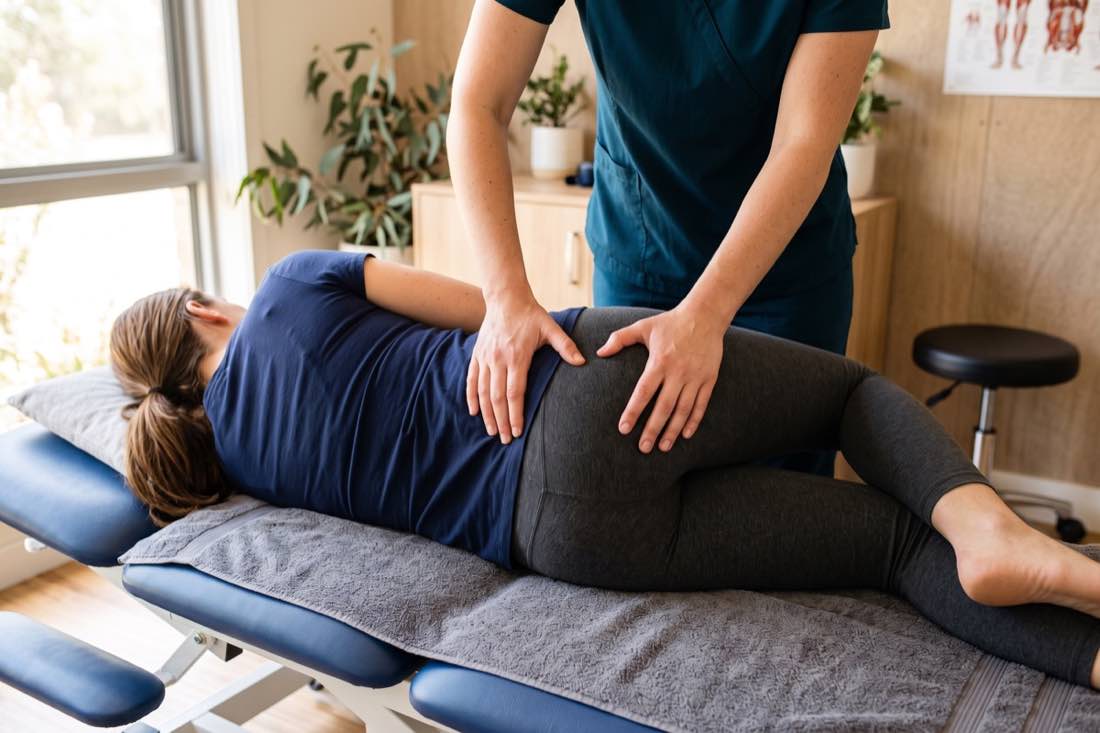
Chiropractors focus on joint mechanics - specifically the relationship between the lumbar spine, sacroiliac joint, and hip. When these joints are restricted or misaligned, they change how load is distributed through the hip and can cause or perpetuate pain. Adjustments can restore normal joint mobility and reduce the irritation driving symptoms.
Physiotherapists address the muscular, tendon, and movement aspects of hip pain. Gluteal tendinopathy, the most common cause of lateral hip pain in adults, responds specifically to progressive tendon loading programs - and physiotherapists are the specialists in designing and supervising these.
Can't decide? Many hip pain presentations benefit from both chiropractic and physiotherapy at different points. At Absolute Health, both are under one roof - we'll guide you to the right starting point and coordinate care from there.
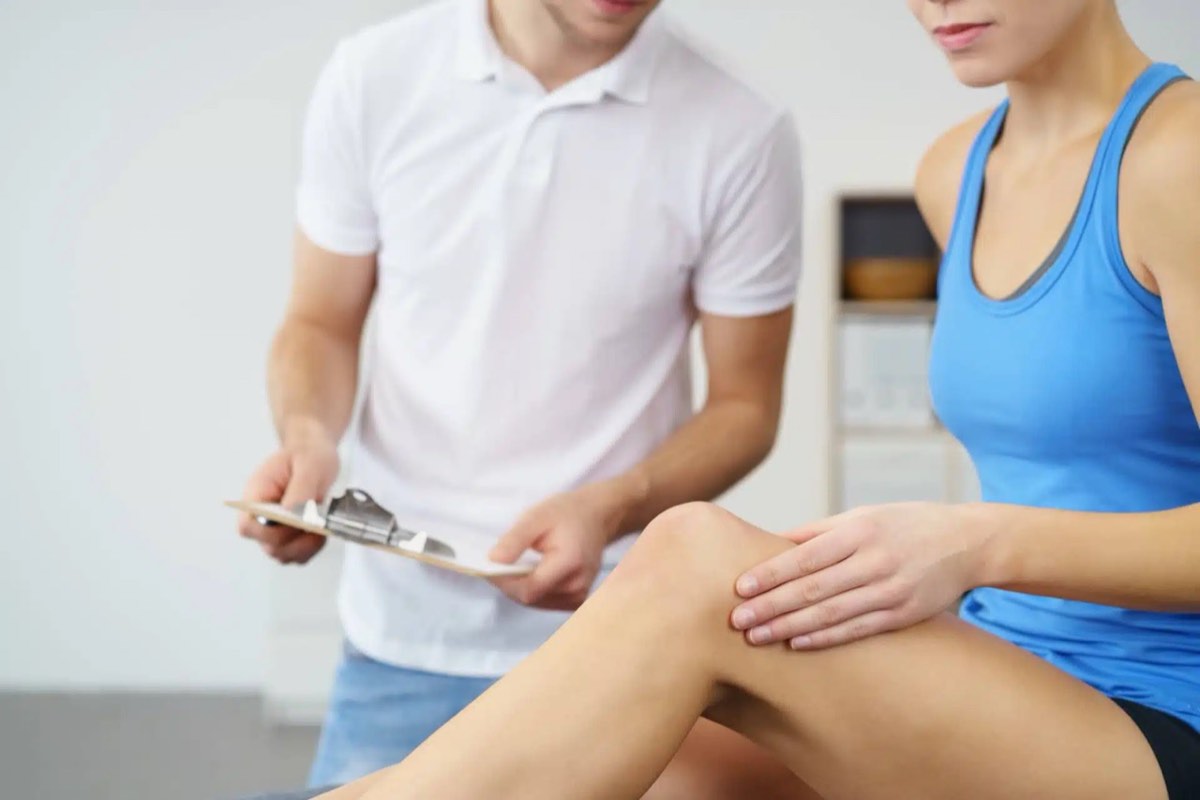
Hip pain is rarely straightforward. Our initial assessment is thorough by design - because getting the diagnosis right from the start saves you time and money in the long run. That includes measuring how the hip and lower back actually move, then re-measuring later to confirm the range is coming back. Here is why that matters.
Dealing with hip pain on the Sunshine Coast?
Our chiropractors and physiotherapists treat this every day in Mooloolaba and Nambour — same-day appointments are often available.
In adults over 40, gluteal tendinopathy is the single most common cause of lateral (outer) hip pain. It's often misdiagnosed as bursitis and mismanaged with rest and stretching - both of which can actually make tendinopathy worse. For groin-deep hip pain, osteoarthritis of the hip joint becomes increasingly common with age. Younger people more frequently present with labral tears, hip flexor strains, or referred pain from the lumbar spine.
Both are appropriate depending on the diagnosis. Physiotherapy is generally the first choice for tendon-related hip pain, bursitis, and rehabilitation. Chiropractic is particularly useful when the lumbar spine, sacroiliac joint, or pelvic alignment is contributing to the problem. In practice, many hip pain presentations benefit from both - which is an advantage of having them together at Absolute Health.
Most hip pain is musculoskeletal and responds well to conservative treatment. However, you should see a practitioner promptly if you have severe pain following a fall or trauma, night pain that wakes you from sleep consistently, pain with significant systemic symptoms (fever, unexplained weight loss), or groin pain that appeared suddenly without injury. These may warrant further investigation beyond standard physio or chiropractic care.
Yes, absolutely. Weakness or stiffness in the hip changes how load is distributed through the knee. Reduced hip abductor strength, for example, causes the knee to collapse inward during walking and running - a common driver of patellofemoral knee pain and IT band syndrome. If you have both hip and knee pain, it's worth having both assessed together rather than in isolation.
Some acute hip pain from minor muscle strains will settle within a few weeks with appropriate rest and gentle movement. However, conditions like gluteal tendinopathy, osteoarthritis, and bursitis rarely fully resolve without treatment - and can worsen significantly if managed poorly (e.g. with prolonged rest, excessive stretching, or ice applied directly over the greater trochanter). Early assessment gives you the best chance of a faster and more complete recovery.
In most cases yes, within appropriate limits. The right type and volume of exercise is actually fundamental to recovery for most hip conditions - particularly tendinopathy and osteoarthritis. The challenge is knowing which movements are helpful and which are loading the hip in a way that perpetuates pain. We provide a specific, progressive exercise program tailored to your diagnosis and current capacity.
Book a consultation at Mooloolaba or Nambour. Same-day appointments often available.
We'll get back to you within one business day