Any athlete who plays sport has to accept the possibility of an injury at some point. For many, this is simply a fact of competing, even if it is not a pleasant one to think about.
When an injury does happen, every athlete should remember that their main focus must be on recovering quickly and safely. The good news is that people can now recover from sports injuries in effective ways with the help of our expert physiotherapists on the Sunshine Coast. With the right sports injury therapy, they can return to their normal routines.
How Do Our Physiotherapists Work?
Physiotherapy is a non-invasive form of treatment. Helping people recover from sports injuries is a central goal for our physiotherapists. One of the key features of physiotherapy is that it is both safe and effective.
Our physiotherapists determine the cause of the injury and then treat it using best-practice methods. They can treat the affected areas with techniques such as physiotherapy massage, ice therapy, taping and hands-on therapy.
The person undergoing treatment is expected to follow all of the guidance provided by our physiotherapist.
How Is a Physiotherapy Session Conducted?
Our physiotherapists treat every part of the musculoskeletal system. They are specialists in the field and have completed university training across all aspects of musculoskeletal care.
Our physiotherapists understand how the human body works. We are clinically qualified to assess, diagnose and provide treatment plans for your athletic or sports injuries, and we can support you through every stage of recovery.
Dealing with this on the Sunshine Coast?
Our chiropractors and physiotherapists treat this every day in Mooloolaba and Nambour — same-day appointments are often available.
How Can Our Physiotherapist Help With Muscle Pain and Strain?
Athletes often deal with muscle pain and strains during training or competition, and these can lead to joint injury if they go untreated. Starting physical therapy early helps heal muscle injuries or strains and get you back to being pain-free.
At your first appointment, a professional physiotherapist from the Absolute Health clinic will ask you injury-related questions to identify the cause and severity of your pain. Before starting any physical therapy, our physiotherapist examines the injured muscle to build a treatment plan.
The healing process then begins. Based on your particular injury, your physiotherapist selects the best course of action from a range of options. Some of the methods used to treat muscle tightness include:
Self-stretching: Exercise is a crucial part of the recovery process. Our physiotherapists can guide you through stretching techniques suited to your injury. This helps ease muscle stiffness caused by the injury and improves mobility.
Therapeutic modalities: A therapist may use ultrasound or electrotherapy devices to help relieve your pain.
What Is the Best Treatment Plan to Heal an Injured Shoulder?
The shoulder is another part of the body that is particularly vulnerable to sports-related injuries. One of the main reasons is that the shoulder is one of the most mobile joints in the body. Because it allows such a wide range of upper-body movement, your shoulder joint is more prone to injury during athletic activity. The good news is that, with the help of a physiotherapist, athletes can return to their sport more quickly. Many athletes also combine physio with chiropractic care for sports injury recovery.
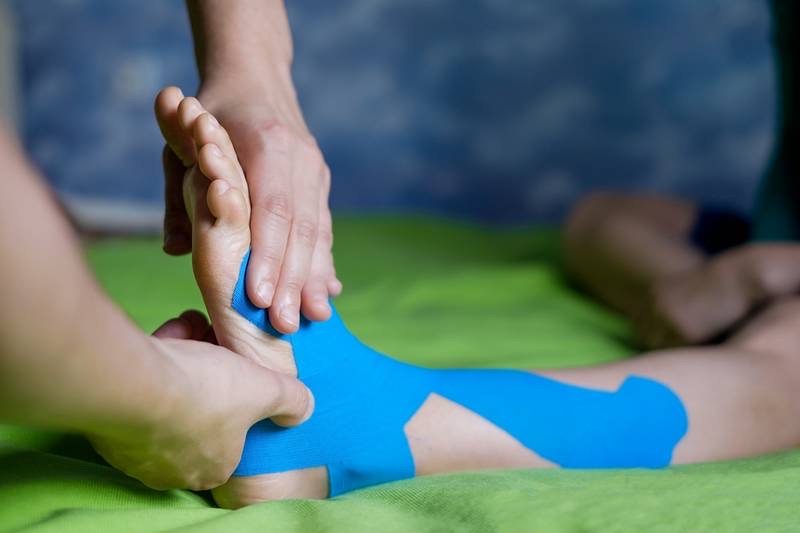
Athletic taping: Athletic taping works well alongside other exercises to help heal an injured shoulder. Our physiotherapists are trained to apply athletic taping effectively to relieve pain.
Kinesiology taping: As well as supporting safe muscle movement, kinesiology taping improves blood circulation, which helps you heal faster.
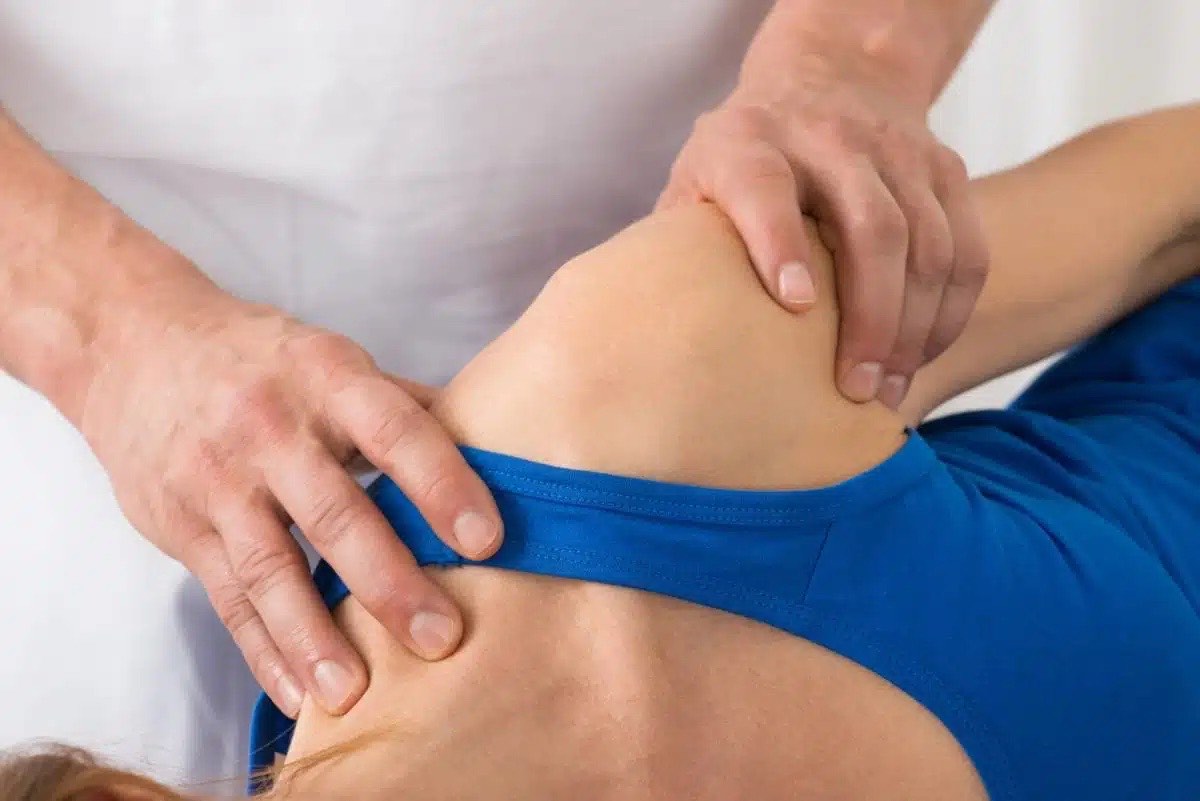
Hands-on therapy: As the name suggests, hands-on therapy involves manual treatment from a professional physiotherapist at our clinic to help an injured shoulder. The physiotherapist applies direction-specific pressure to the tissue to help restore some of its natural mobility.
Stretching: Because it is designed to gradually increase the range of motion in your muscles, stretching is a popular form of treatment for shoulder pain.
How Our Physiotherapists Treat Soft Tissue Injuries
Athletes frequently deal with soft tissue injuries that involve ligament or tendon tears or ruptures. Swelling and discomfort are typical signs of tendon and ligament injuries. When you tear the tissue, you might also hear or feel a pop. Following a treatment plan from our physiotherapist should be your first step in treating a soft tissue injury.
Healing through equipment: Our physiotherapist can provide several plans using equipment such as bikes and treadmills, along with specific exercises, to build your muscle strength and flexibility.
Whirlpool bath therapy: They might also suggest a whirlpool bath, or the use of heat or cold on your injury. Additional techniques such as ultrasound, electrical stimulation or massage may also be used.
Home stretching plans: You will most likely receive at-home stretching and exercise routines. Sticking with them will help you heal more quickly, safely and effectively, in addition to the work you do during your treatment sessions.
See a Licensed Physiotherapist on the Sunshine Coast
Rehabilitation helps people recover from sports injuries more quickly and can help prevent further harm. The injured limb can become stronger and more flexible, posture can improve, and the discomfort an athlete is feeling can be reduced. Being able to return to your sport sooner is a significant benefit. The advantages of physiotherapy in managing physical pain are hard to overstate. Our highly skilled physiotherapists are ready to support you on your journey to stay healthy and keep your muscles in top condition. To arrange an appointment with one of our physiotherapists, please book online or call us on (07) 5478 2333.