The physiotherapy techniques used for muscle recovery are manual therapy (massage, joint mobilisation and stretching), neuromuscular re-education, heat and cold therapy, electrotherapy such as TENS, dry needling and, for some conditions, aquatic therapy. Which ones your physiotherapist uses depends on the tissue that is injured, how irritable it is and how far into recovery you are. Manual therapy paired with a graded exercise program is the backbone for most muscle injuries; the rest are used around it to manage pain and speed the process up.
This article explains each technique and when a physiotherapist reaches for it.
How a Physiotherapist Works
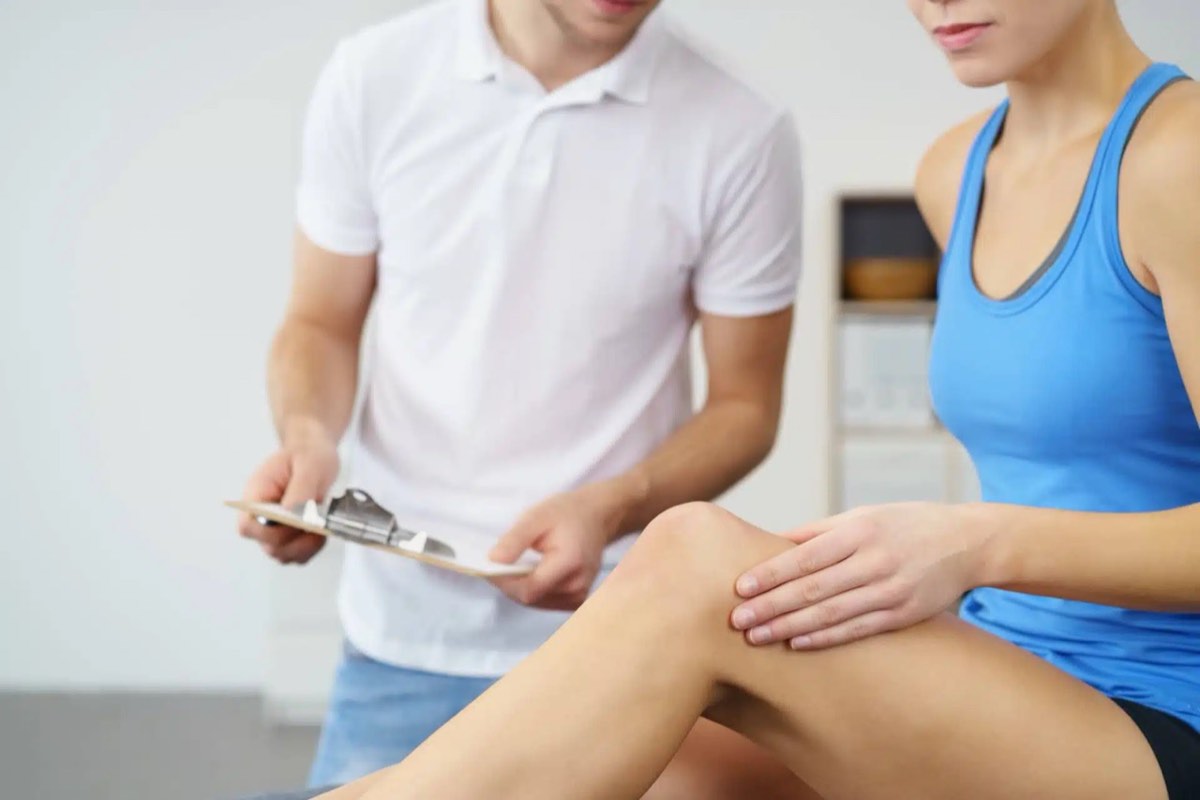
Physiotherapy is the branch of healthcare that focuses on movement, muscle recovery, muscular injury and your general wellbeing. It involves a wide range of therapeutic approaches, including soft tissue therapy, sports physiotherapy, pain relief, and pre- and post-operative rehabilitation. A physiotherapist is trained to combine therapies such as electrotherapy, manual exercises and patient education as needed.
Which physiotherapy techniques are used for muscle recovery?
Physiotherapy techniques help patients regain strength, restore muscular flexibility and become pain-free. Because it is a safe and effective approach to healing, it is popular with people looking for non-surgical treatment options.
Cold and Heat Therapy
Cold and heat therapy is one of the most effective methods physiotherapists use for muscle recovery and to relieve inflammation. Heat therapy helps relieve pain, reduce stiffness, boost blood flow and ease chronic pain. Cold therapy is best suited to post-surgical recovery, reducing swelling and numbing acute discomfort. For some conditions, contrast therapy, which alternates between the two, can also be helpful.
Neuromuscular Re-education
Neuromuscular re-education is one of the most important physiotherapy techniques. It involves soft tissue therapy and works to improve motor control while restoring normal movement patterns. This evidence-based, patient-centred approach is tailored to each person's needs. It includes proprioceptive training to improve joint position awareness, along with balance exercises to reduce the risk of falls.
Goals of therapy: to correct faulty movement patterns that cause discomfort, and to address trigger points that may limit mobility and cause referred pain.
This approach involves an in-depth assessment of a patient's movement to identify trigger points. Other techniques used alongside it include manual therapy and therapeutic exercise. Together, these help retrain the nervous system to coordinate muscle activity more efficiently, reducing pain and supporting muscle recovery.
Manual Therapy
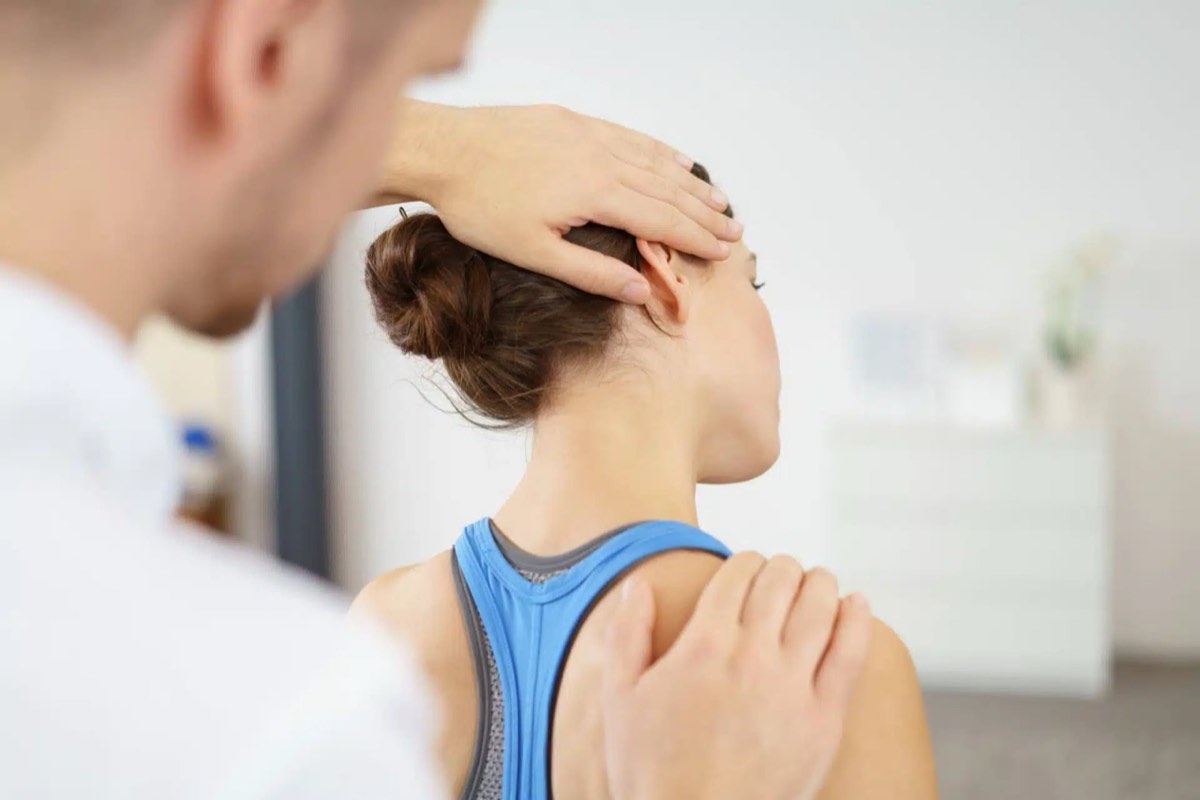
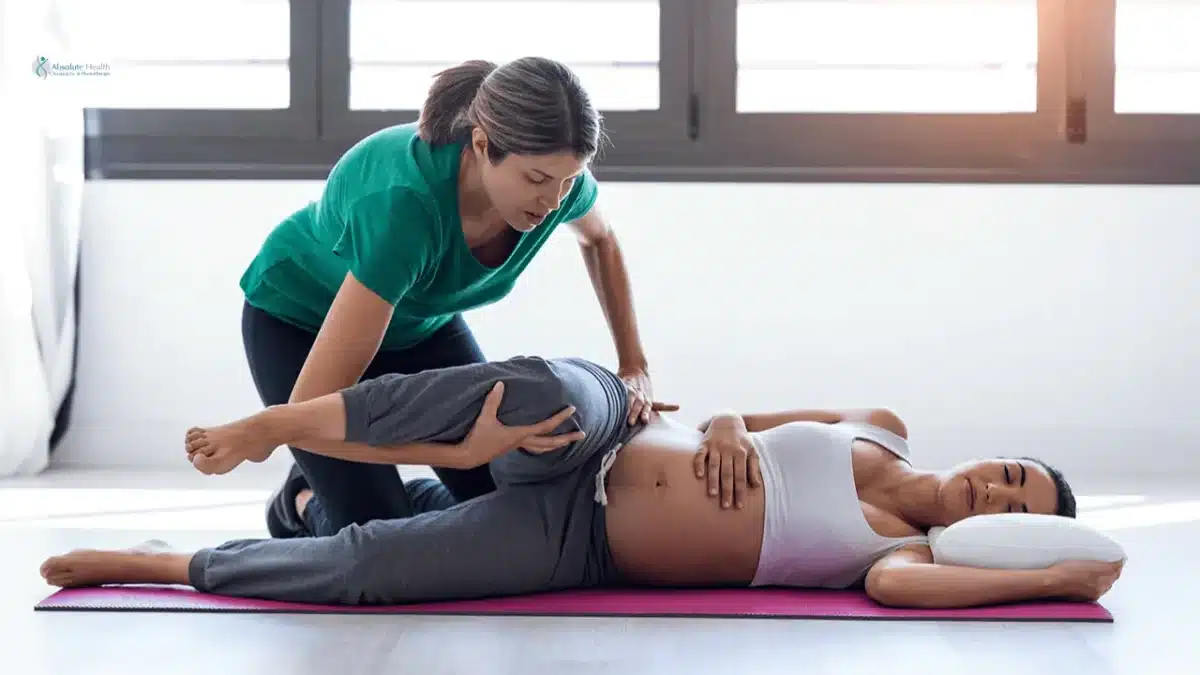
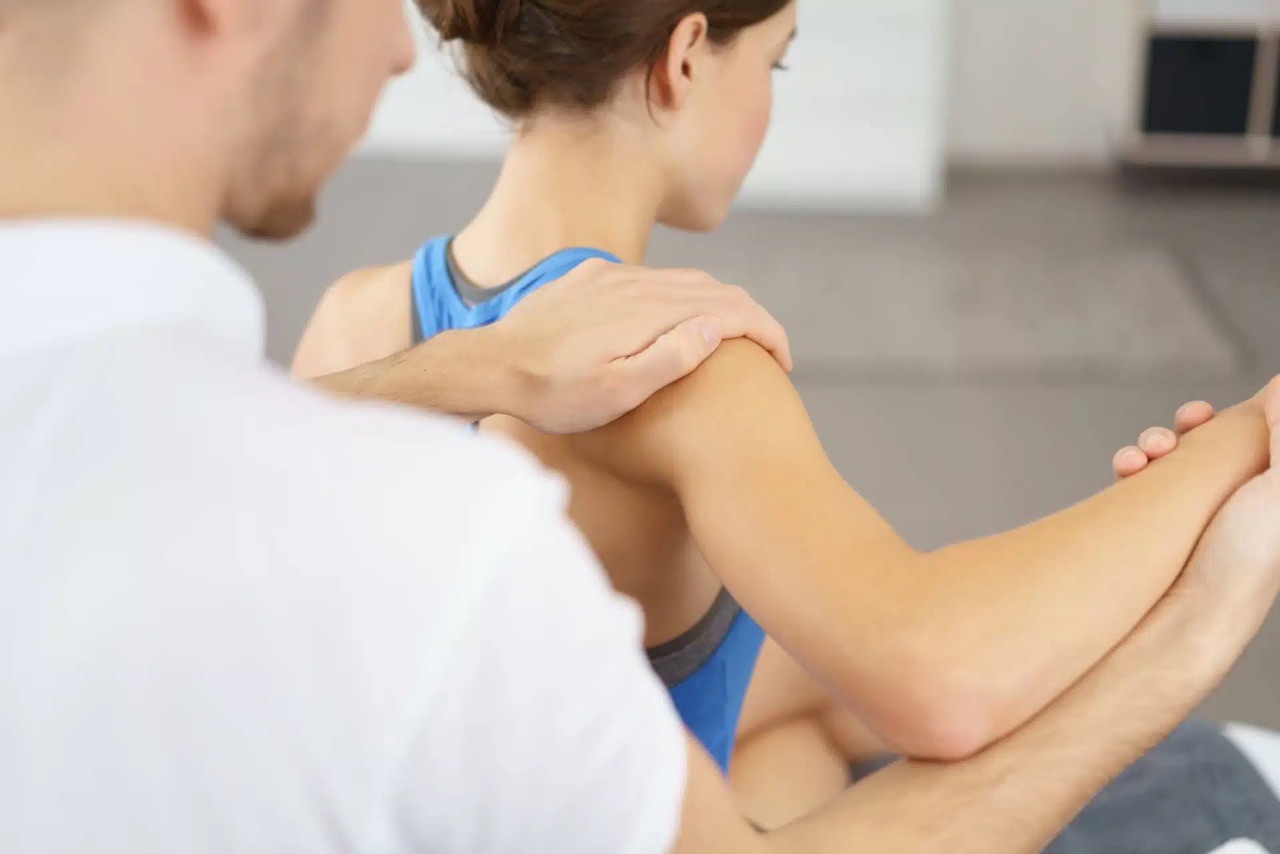
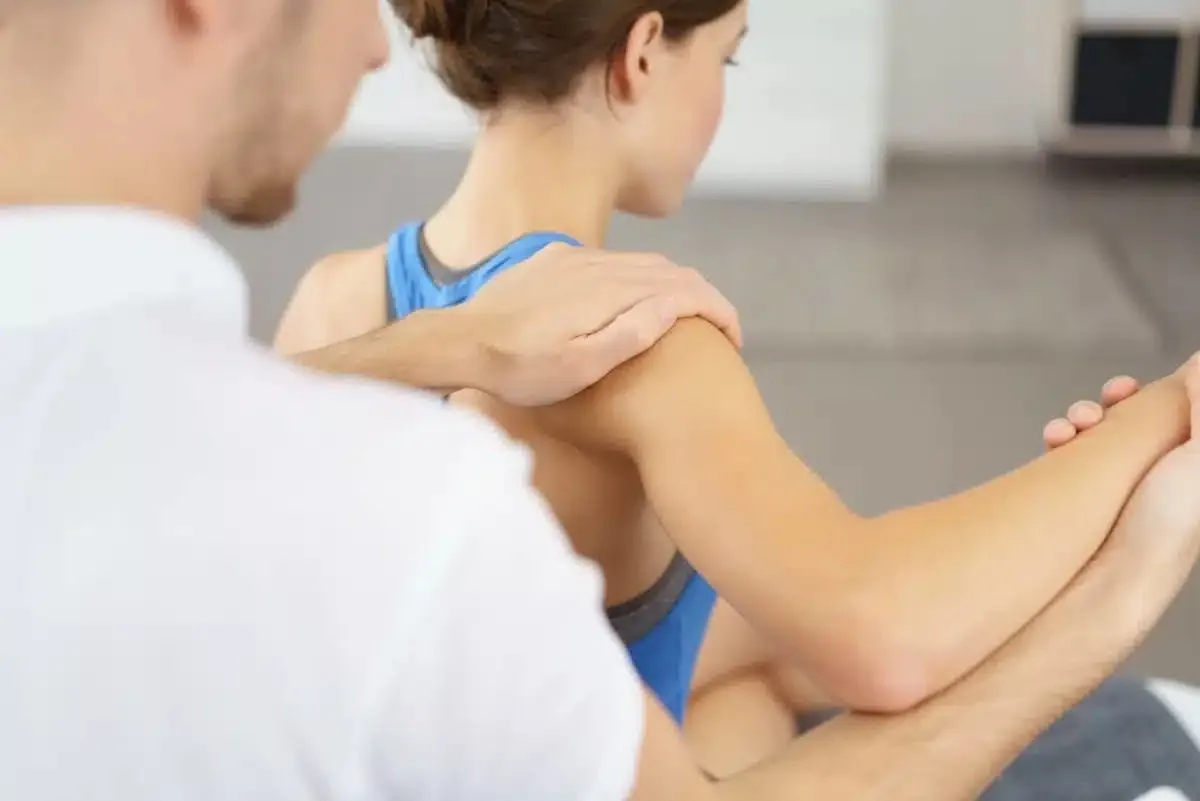
Manual therapy can be described as a hands-on technique used in a therapeutic, healing way. To support muscle recovery, it involves massage, joint mobilisation and exercise. It is one of the most common approaches for relieving local pain or restriction through soft tissue and joint mobilisation. Manual therapy often involves applying pressure to a tissue or joint, graded from very light to considerably firmer depending on the issue and the target tissues. It can be divided into two broad categories: soft tissue techniques and joint techniques.
Soft tissue: this focuses on muscles that are shortened or have limited fascial movement. Self-massage using a foam roller or tennis ball can also help. Soft tissue therapy targets reduced fascial mobility and shortened muscles.
Stretching involves joint and muscle stretching, as well as neural mobilisation. Examples of soft tissue techniques include (this list is not exhaustive):
- Myofascial techniques
- Manual lymphatic drainage
- Functional mobilisation
- Strain-counterstrain
- Craniosacral therapy
- Active release techniques
- Soft tissue mobilisation (massage)
Dealing with this on the Sunshine Coast?
Our chiropractors and physiotherapists treat this every day in Mooloolaba and Nambour — same-day appointments are often available.
Joint Techniques
As well as reducing pain, joint techniques such as mobilisations and manipulations can sometimes produce a popping sound, caused by natural pressure changes within the joint.
Joint techniques include:
- Joint mobilisation
- Muscle energy techniques
- Mulligan techniques
- Traction
Electrotherapy
Electrotherapy uses devices that deliver electrical energy to stimulate stiff muscles and nerves. A physiotherapist is trained to select the right settings and intensity for each patient's needs. Transcutaneous Electrical Nerve Stimulation (TENS) can relieve a number of conditions, including post-operative and neuropathic pain, as well as supporting muscle recovery. A review published in the Cochrane Database of Systematic Reviews found that TENS can help adults with chronic pain by reducing pain and supporting mobility. That said, everyone responds differently, and some people experience better results than others.
Aquatic Therapy
Aquatic therapy stands out among physiotherapy techniques for managing ongoing discomfort, thanks to its ability to reduce joint stress and support muscle recovery. By greatly reducing the load on weight-bearing structures, the buoyancy of water improves joint flexibility without increasing the risk of further injury. Aquatic therapy uses low-impact exercises designed to help patients return to their usual activities on land.
Aquatic therapy is becoming increasingly popular for its ability to help restore quality of life.
Acupuncture and Dry Needling
Physiotherapists often use dry needling as a pain-relief technique. It is one of many approaches used as part of a holistic strategy for managing pain, inflammation and overall wellbeing. The gentle stimulation and slight irritation the needle causes to the skin and underlying tissue encourage a small, beneficial healing response. Dry needling is an increasingly common physiotherapy technique used in Western medicine to treat pain.
Conclusion
Muscle recovery is the first and most important step a physiotherapist focuses on after assessing a patient. Whether you see them for sports physiotherapy or pre- and post-surgical recovery, a physiotherapist will choose the best technique for your particular problem. Your pain management plan will be more effective when you and your physiotherapist work together. If you are looking for the best treatment after a sports injury, sports physiotherapy at Absolute Health on the Sunshine Coast is the place to go.
Common questions
What is the most effective physiotherapy technique for muscle recovery?
There is no single best one. For most muscle injuries the combination that does the work is hands-on manual therapy to restore movement plus a graded exercise program to rebuild strength. Heat, cold and TENS are used to manage pain around that, and dry needling is added for trigger points that will not release with massage alone.
How long does muscle recovery take with physiotherapy?
A minor strain often settles within a few weeks. A larger tear takes longer, and how long depends on the muscle, the grade of the injury and how well you keep up the home program. Your physiotherapist will give you a realistic timeline at the first assessment and adjust it as you progress.
Does physiotherapy help with muscle pain that is not from an injury?
Yes. Tension, overuse and postural muscle pain respond well to the same techniques, particularly neuromuscular re-education and trigger point work, because they correct the faulty movement pattern that keeps loading the muscle rather than just easing the symptom.
Is dry needling the same as acupuncture?
No. Both use fine needles, but dry needling targets trigger points in a muscle based on anatomy, while acupuncture follows traditional Chinese medicine points. Physiotherapists use dry needling for muscle pain and tightness. We cover the differences in more detail in dry needling vs acupuncture.