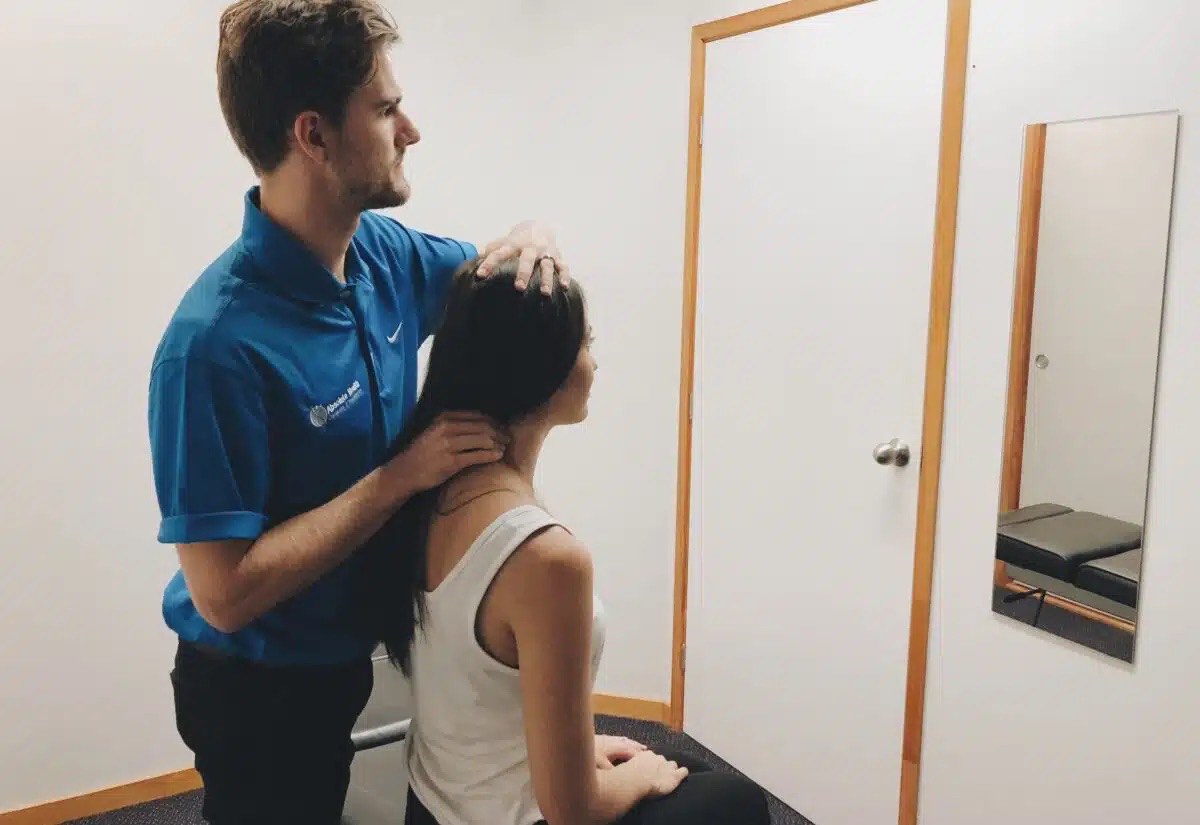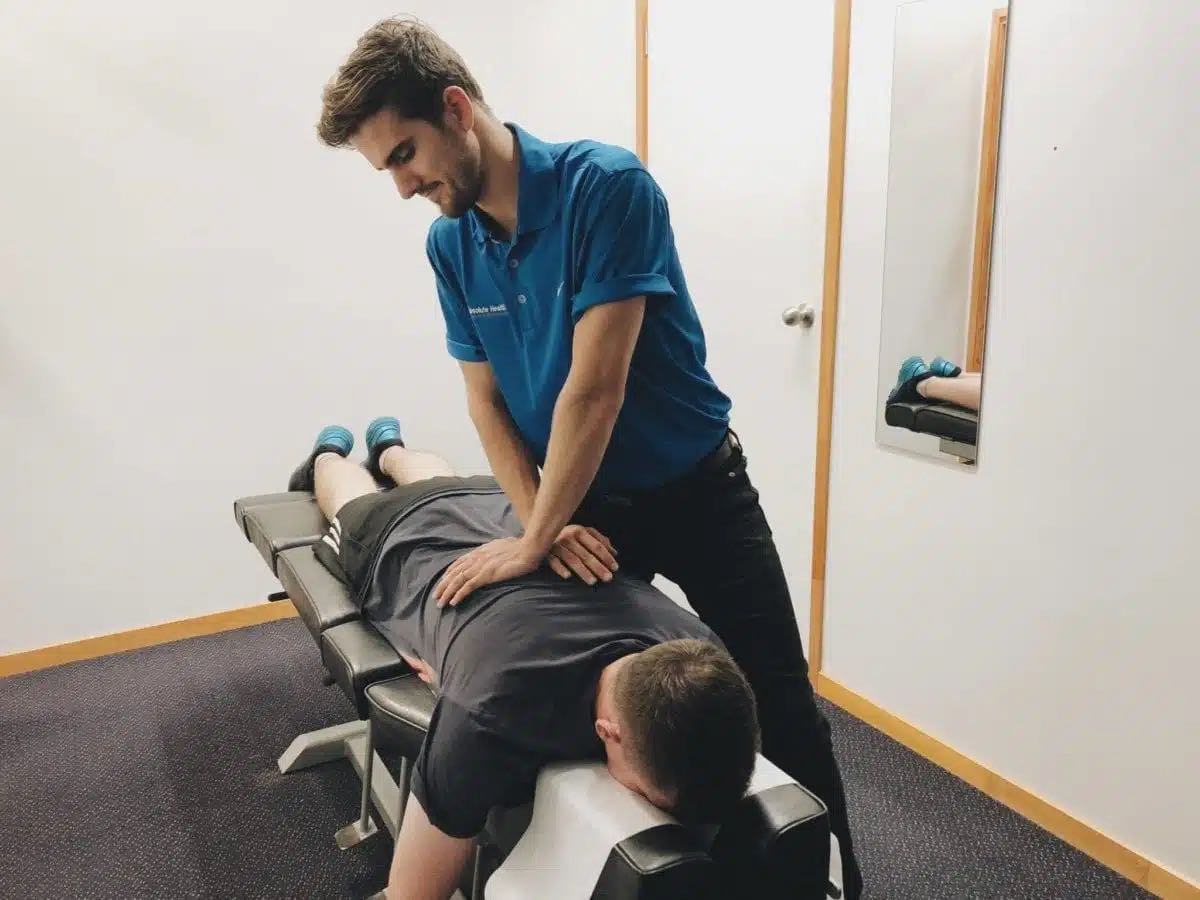
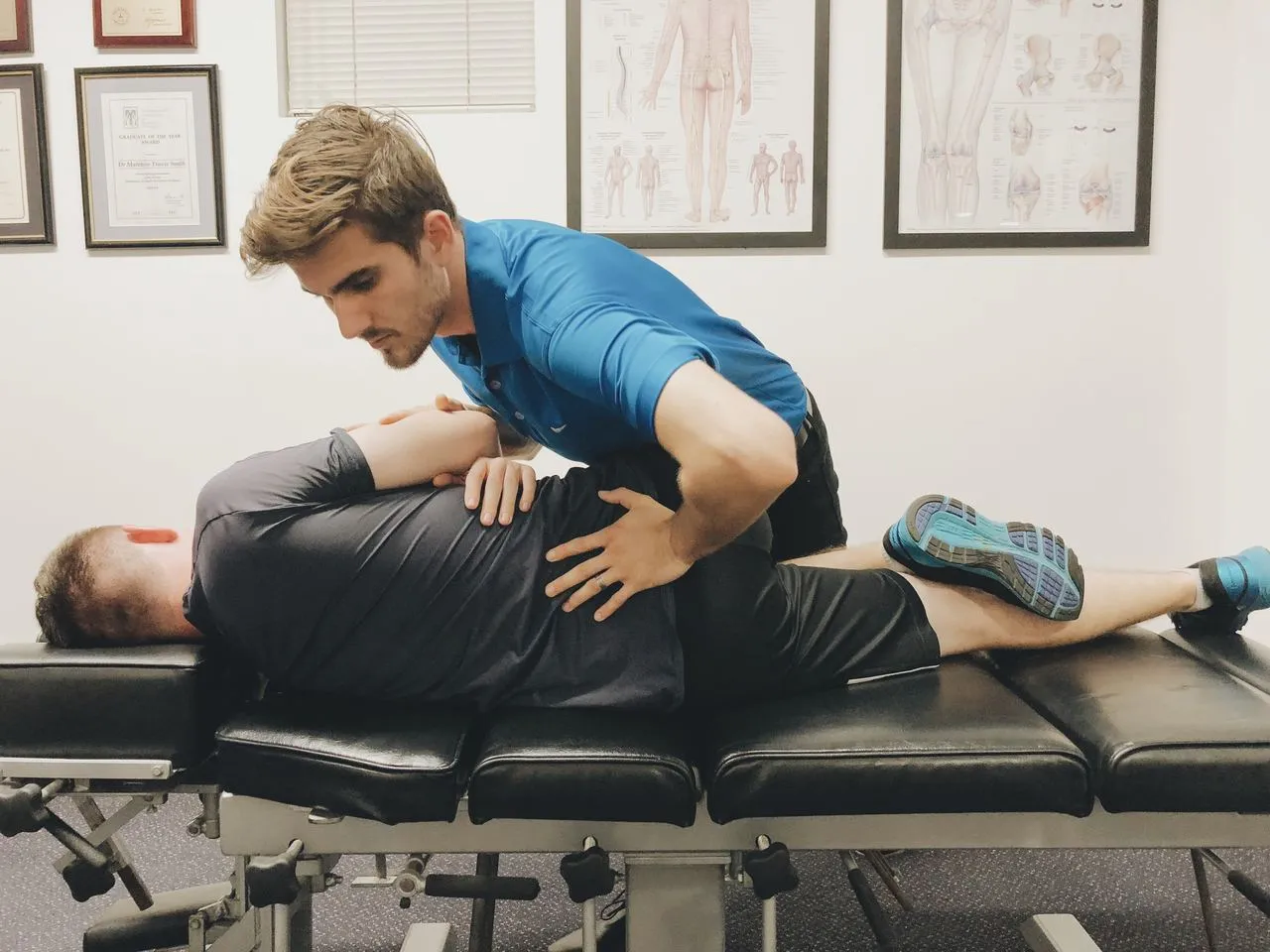
Can a chiropractor help with a sports injury? Yes, for most of them. Sprains, strains, neck and back pain, and shoulder, hip and knee problems picked up in training or competition all respond to chiropractic care. A chiropractor restores movement in the injured joint, treats the muscles around it and sets a rehab plan so you get back to sport without the same problem coming back. Fractures and suspected ligament ruptures need medical imaging first; once those are ruled out, the sooner treatment starts, the shorter the recovery tends to be.
The rest of this article goes through how that works in practice, and where physiotherapy and other treatments fit in.
Key Takeaways
- Chiropractic care can significantly aid the recovery of sports injuries for athletes.
- Personalised treatment plans optimise rehabilitation by addressing each athlete's unique needs.
- Combining chiropractic care with other therapies can enhance overall recovery and help prevent future injuries.
- Regular chiropractic adjustments can improve flexibility and support athletic performance after injury.
- Nutrition plays a critical role in the healing process for injured athletes.
Understanding Common Sports Injuries and Their Impact on Athletes
Frequent injuries across various sports, including sprains, strains and fractures, can significantly affect athletes' performance and daily activities. These injuries can lead to chronic pain, making prompt rehabilitation important through approaches such as chiropractic care, dry needling and thorough physical examination. Addressing these issues helps athletes regain optimal function and avoid relying on medication for pain management.
Identifying Common Injuries in Various Sports
In sport, common injuries such as sprains, strains and fractures frequently affect athletes, with areas like the neck and joints being particularly vulnerable. Injuries to the anterior cruciate ligament (ACL), for example, are common in contact sports and can result from sudden stops or changes in direction. These injuries can lead to significant downtime and rehabilitation. Understanding the risk factors and the types of tissue involved is essential for developing effective recovery strategies.
- Common injuries include sprains, strains and fractures.
- The neck is a frequent area of concern for athletes.
- Anterior cruciate ligament injuries are common in contact sports.
- Understanding tissue damage aids effective recovery strategies.
- Access to rehabilitation is crucial for optimal recovery.
Effects of Injuries on Performance and Daily Activities
Injuries to the wrist, joints and muscles can severely disrupt an athlete's performance and hinder daily activities. Soft tissue damage, for instance, may limit range of motion and strength, leaving athletes unable to take part in their sport or perform everyday tasks effectively. Chiropractic care can support recovery by addressing these specific injuries, promoting healing and restoring function.
- Injuries affect wrist, joint and muscle function.
- Soft tissue damage limits an athlete's range of motion and strength.
- Timely rehabilitation enhances recovery.
- Chiropractic care plays a vital role in restoring athletic performance.
- Addressing injuries promptly helps athletes return to their daily routines.
The Need for Prompt and Effective Rehabilitation
Prompt and effective rehabilitation is crucial for athletes recovering from common sports injuries such as knee pain and hamstring strains. Techniques like traction can help relieve discomfort and restore function, allowing patients to regain strength and mobility. A timely approach to rehabilitation not only speeds recovery but also helps prevent future injuries, so athletes can continue their sport and daily routines with confidence.
Dealing with this on the Sunshine Coast?
Our chiropractors and physiotherapists treat this every day in Mooloolaba and Nambour — same-day appointments are often available.
How a chiropractor helps a sports injury recover
Chiropractic care plays a pivotal role in sports injury recovery by focusing on key principles tailored for athletes. Techniques such as spinal adjustments not only help relieve neck pain but also support the healing of injuries like rotator cuff sprains. This section compares chiropractic methods with traditional treatment approaches, highlighting their effectiveness in supporting recovery and maintaining performance.
Principles Behind Chiropractic Care for Athletes
Chiropractic care for athletes emphasises the benefits of spinal manipulation, which can help relieve pain and improve overall quality of life. By focusing on the spine and its alignment, chiropractors help address issues that may hinder athletic performance. This targeted approach allows athletes to recover from specific injuries, such as Achilles tendon problems, while also supporting their physical abilities through tailored treatment.
- Spinal manipulation helps relieve pain and supports recovery.
- Improving spinal alignment helps address ongoing conditions.
- Quality of life improves with targeted chiropractic treatment.
- Practitioners play a key role in guiding athletes through effective rehabilitation.
- Specific injuries, such as those affecting the Achilles tendon, receive focused care.
How Adjustments Aid the Healing Process
Chiropractic adjustments play a significant role in the healing process by supporting nerve function and restoring movement in affected areas. Techniques such as myofascial release and acupuncture can complement adjustments, addressing soft tissue injuries and contributing to effective pain management. By improving spinal alignment and easing tension, athletes can experience better mobility and quicker recovery:
- Chiropractic adjustments support nerve function.
- Myofascial release addresses soft tissue injuries.
- Acupuncture complements chiropractic care for pain management.
- Restoring movement is crucial for athletic recovery.
- Improved spinal alignment contributes to overall healing.
Comparing Chiropractic Care to Traditional Methods
Chiropractic care distinguishes itself from traditional methods by offering a holistic approach that emphasises biomechanics and movement in injury recovery. Unlike treatments that often rely heavily on medication and rest for conditions such as low back pain, chiropractic care targets the underlying issues through manual adjustments, supporting natural healing. By improving spinal alignment and optimising movement patterns, chiropractic care gives athletes practical tools for improving their physical health and performance while minimising reliance on invasive procedures.
Benefits of Chiropractic Care for Injured Athletes
Chiropractic care offers numerous benefits for injured athletes, including a faster recovery timeline and pain relief without relying on medication. This approach can help restore mobility and flexibility, enhance overall musculoskeletal function and reduce the risk of future injuries such as ligament tears and conditions like tennis elbow. These key areas highlight the value of chiropractic care in supporting optimal athletic recovery.
Speeding Up the Recovery Timeline
Chiropractic care can help accelerate the recovery timeline for athletes with sports injuries, particularly those involving the shoulder. By addressing issues such as stiffness and swelling through targeted adjustments, athletes can support tissue recovery and restore mobility more quickly. This proactive approach not only reduces downtime but also helps athletes return to training with greater confidence and resilience.
Relieving Pain Without Medication
Chiropractic care provides an effective way to relieve pain and reduce inflammation without the need for medication or invasive procedures such as surgery. By using specific adjustments and techniques, chiropractic care targets the underlying causes of pain, helping athletes find relief while supporting the body's natural healing process. Sports medicine professionals often recommend chiropractic care as a valuable component of recovery, helping athletes regain strength and mobility efficiently.
Restoring Mobility and Flexibility
Restoring mobility and flexibility is a crucial part of rehabilitation for injured athletes. Chiropractic care uses techniques such as joint manipulation and cupping therapy to ease muscle strain and improve range of motion. This comprehensive approach not only supports physical recovery but also incorporates stress management strategies, helping athletes return to peak performance and reduce the likelihood of reinjury.
Enhancing Overall Musculoskeletal Function
Chiropractic care can enhance overall musculoskeletal function by drawing on the principles of kinesiology, which focus on how the body moves. By addressing musculoskeletal imbalances, this care can aid injury prevention, particularly for common concerns such as knee pain and headaches that athletes often encounter. Combining it with modalities like cryotherapy can further support recovery by reducing inflammation and promoting muscle relaxation, helping athletes regain peak performance more efficiently.
Reducing the Risk of Future Injuries
Chiropractic care plays a significant role in reducing the risk of future injuries by improving flexibility and range of motion. Techniques used in chiropractic care help break down scar tissue from previous injuries, supporting a more functional movement pattern. By addressing underlying musculoskeletal imbalances, this approach can specifically target issues such as shin splints, helping athletes perform at their best while minimising the chance of recurrence.
Chiropractic Techniques Tailored for Sports Injuries
Chiropractic techniques tailored for sports injuries focus on key areas that support recovery. Spinal adjustments address issues affecting the spine, while soft tissue therapies and muscle release techniques improve blood flow. Rehabilitation exercises specific to the injury, such as those for the ankle, are also important, alongside nutritional guidance for effective healing. Developing personalised treatment plans ensures comprehensive support for each athlete's unique needs.
Spinal Adjustments and Alignments
Spinal adjustments and alignments are fundamental chiropractic techniques that can significantly help athletes with conditions such as nerve-related pain and shoulder joint pain. By correcting misalignments in the spine, these adjustments not only ease nerve-related issues but also improve the overall function of the musculoskeletal system. A chiropractor on the Sunshine Coast commonly uses these methods to restore balance and support recovery, helping athletes return to their activities more efficiently and with a reduced risk of reinjury.
Soft Tissue Therapies and Muscle Release Techniques
Soft tissue therapies and muscle release techniques are integral parts of chiropractic care designed to support sports injury recovery. Techniques such as myofascial release target tight muscles and fascia, encouraging relaxation and blood flow, which are essential for healing and reducing inflammation. By addressing muscle imbalances and relieving tension, these therapies help athletes regain flexibility and strength, ultimately improving performance and helping to prevent future injuries.
Rehabilitation Exercises Specific to the Injury
Rehabilitation exercises specific to the injury are crucial for optimising recovery and restoring function in athletes. These tailored exercises focus on strengthening the affected area while restoring flexibility and range of motion. For example, a chiropractor may recommend specific ankle-strengthening exercises for an athlete recovering from a sprain, helping to ensure the rehabilitation process is both effective and safe and supporting a quicker return to competitive performance.
Nutritional Guidance for Healing
Nutritional guidance plays a critical role in the healing process for athletes recovering from sports injuries. A balanced diet rich in antioxidants, protein and omega-3 fatty acids can support tissue repair and reduce inflammation, promoting a faster recovery. Including foods such as leafy greens, lean meats and oily fish not only supports overall health but also provides the nutrients needed for effective rehabilitation:
- Emphasise a balanced diet for optimal recovery.
- Include antioxidants to help reduce inflammation.
- Include protein for tissue repair.
- Add omega-3 fatty acids to support healing.
- Choose foods that support overall health during recovery.
Developing Personalised Treatment Plans
Developing personalised treatment plans is essential for optimising sports injury recovery through chiropractic care. Each athlete presents unique physical conditions, injury patterns and healing responses, which calls for a tailored approach. By carrying out thorough assessments and considering factors such as injury type, recovery goals and individual biomechanics, chiropractors can create effective treatment plans that address immediate pain relief while also supporting long-term healing and improved performance.
Incorporating Chiropractic Care Into Your Recovery Journey
To incorporate chiropractic care effectively into recovery from a sports injury, athletes should focus on several key areas. Choosing the right sports chiropractor is essential for personalised treatment. Preparing for the first consultation helps establish clear recovery goals. Combining chiropractic care with other therapies can enhance overall healing, while developing strategies for maintaining performance after recovery helps athletes stay at their best.
Selecting the Right Sports Chiropractor
Choosing the right sports chiropractor is important for athletes looking to support their recovery. It is worth considering the chiropractor's experience in treating sports-related injuries, as well as their approach to rehabilitation and pain management. Doing thorough research and seeking referrals from fellow athletes or sports medicine professionals can provide valuable insight to help identify a qualified chiropractor who suits the athlete's specific recovery needs.
Preparing for Your Initial Consultation
Preparing for the first consultation with a chiropractor is important for athletes seeking effective recovery from a sports injury. Athletes should gather relevant medical history, including past injuries and treatment experiences, to give their chiropractor a complete picture. Coming prepared with specific questions about treatment options, expected recovery timelines and rehabilitation exercises can also encourage a more productive conversation and ensure personalised care that addresses unique recovery needs.
Combining Chiropractic Care With Other Therapies
Combining chiropractic care with other treatment approaches can significantly enhance the recovery journey for athletes dealing with sports injuries. Approaches such as physiotherapy, acupuncture and massage therapy work alongside chiropractic care to address various aspects of injury recovery and support comprehensive healing. This multifaceted approach not only helps relieve pain but also restores function and flexibility, supporting an efficient return to athletic activity:
- Chiropractic care focuses on spinal alignment and joint function.
- Physiotherapy emphasises strengthening muscles and improving movement patterns.
- Acupuncture can help manage pain and support recovery through targeted stimulation.
- Massage therapy aids muscle relaxation and circulation to support recovery.
Strategies for Maintaining Performance After Recovery
To maintain optimal performance after recovering from a sports injury, athletes should make chiropractic care part of their ongoing training routine. Regular chiropractic adjustments can improve flexibility, support better balance and encourage good biomechanics, all of which help prevent reinjury. Adopting a comprehensive post-recovery strategy that includes strength training and conditioning can further help athletes stay competitive and healthy:
- Continue regular chiropractic adjustments to support alignment and performance.
- Include strength training to build muscle support around previous injury sites.
- Engage in flexibility exercises to maintain a full range of motion.
- Practise proper warm-up and cool-down routines to help prevent injuries during training.
- Monitor your physical condition closely and address any discomfort promptly.
Conclusion
Chiropractic care plays a vital role in supporting sports injury recovery by addressing underlying issues through targeted adjustments and personalised treatment plans. Athletes can experience faster recovery, pain relief without medication and improved mobility, all of which are important for returning to peak performance. By incorporating chiropractic care into their rehabilitation, athletes can help prevent future injuries and maintain overall musculoskeletal health. Ultimately, prioritising chiropractic care can help athletes reach their full potential and sustain their athletic careers with confidence and resilience.
Common questions
Can a chiropractor help with sports injuries?
Yes. Most sports injuries are joint sprains, muscle strains and the neck, back, shoulder and hip pain that comes from training load. A chiropractor treats the joint restriction, works on the surrounding soft tissue and gives you exercises to rebuild strength and control. Injuries that might involve a fracture or a full ligament or tendon rupture should be imaged first.
What does a sports chiropractor actually do?
The first visit is an assessment of the injury and of the movement pattern that caused it. Treatment then usually combines adjustments to restore joint movement, hands-on soft-tissue work for the muscles involved, and a rehab program you do between visits. As you recover, the focus shifts to strength and movement quality so the injury does not return.
Should I see a chiropractor or a physiotherapist for a sports injury?
There is a lot of overlap, and at Absolute Health both work in the same clinic. Injuries where a stiff or irritated joint is driving the pain tend to suit chiropractic. Injuries that need a long strength and conditioning program tend to suit physiotherapy. Many athletes see both, and your first practitioner will tell you if the other is the better fit.
How soon after a sports injury should I get treatment?
Once a fracture has been ruled out, within the first few days. Early assessment shortens recovery because the tissue is treated before compensations set in and it gives you a clear plan for what you can and cannot do while it heals.
Do I need a referral to see a chiropractor?
No. Chiropractors are primary healthcare practitioners in Australia, so you can book directly. You only need a GP referral if you want to use a Medicare Chronic Disease Management plan, WorkCover or DVA funding.