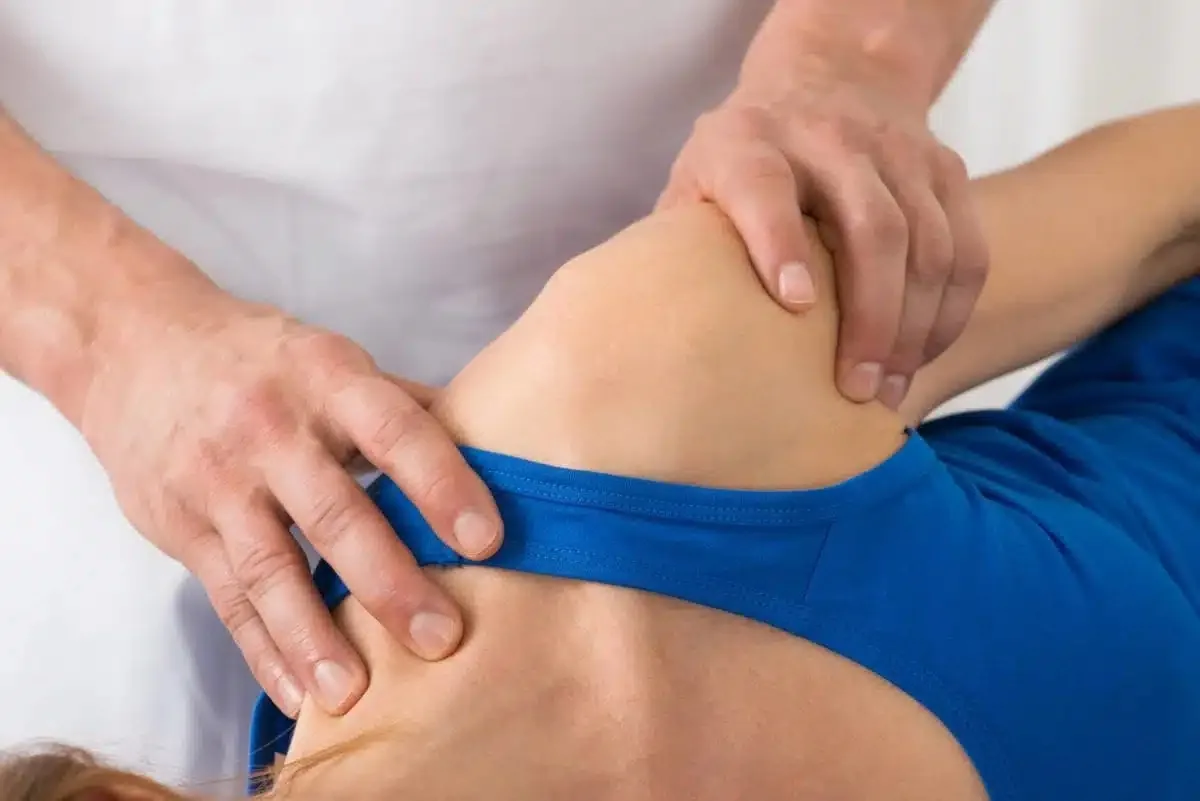
A rotator cuff diagnosis has a way of sounding like a surgical booking. It usually is not. Most rotator cuff problems, including many confirmed tears, improve with structured rehabilitation, and this is one of the better-researched claims in musculoskeletal medicine. Here is how to think about the physio-or-surgery question, and what a realistic recovery actually looks like.
What the rotator cuff actually is
The rotator cuff is a group of four muscles that wrap around the shoulder blade and anchor to the top of the arm. Their tendons form a cuff over the ball of the shoulder joint, holding it centred in its shallow socket while the bigger muscles move the arm. Because the shoulder trades stability for mobility, the cuff works constantly, and it is the most commonly injured structure in the joint.
Not all cuff injuries are the same
Three broad categories, and the distinction drives everything else. Tendinopathy is an irritated, overloaded tendon with no tear; it is common in people who ramped up gym work, swimming or overhead jobs too quickly. Partial thickness tears involve some of the tendon fibres. Full thickness tears go all the way through, and they split again into degenerative tears, which develop gradually with age and are extremely common, and traumatic tears, which happen in one moment, typically a fall or a heavy jolt. Degenerative change is so ordinary that ultrasound finds cuff tears in a large share of pain-free shoulders over 40. A scan result is not a verdict.
Dealing with this on the Sunshine Coast?
Our chiropractors and physiotherapists treat this every day in Mooloolaba and Nambour — same-day appointments are often available.
What the research says about surgery versus physio
For tendinopathy and most partial tears, exercise rehabilitation is the first-line treatment and does well. The more surprising finding concerns full thickness degenerative tears: randomised trials that compared surgical repair against structured exercise programs have repeatedly found similar pain and function outcomes at one, two and five years. The tendon does not necessarily reattach, but the surrounding muscles are trained to take over the load, and for everyday life and most sport that is what counts. Surgery also carries months of sling time and rehab of its own, so choosing it does not mean skipping the hard work.
When surgery genuinely earns its place
Some shoulders should see a surgeon early. A traumatic full thickness tear in a younger or highly active person, especially with marked weakness, tends to do better repaired promptly. Significant, persistent weakness lifting or rotating the arm, a tear in the dominant arm of someone whose work is genuinely overhead and heavy, or a shoulder that has faithfully completed three to six months of well-run rehab without acceptable progress are the other main tickets. If you sit in one of those categories, we will say so at assessment and help arrange the referral rather than string the rehab out.
What rotator cuff rehab actually involves
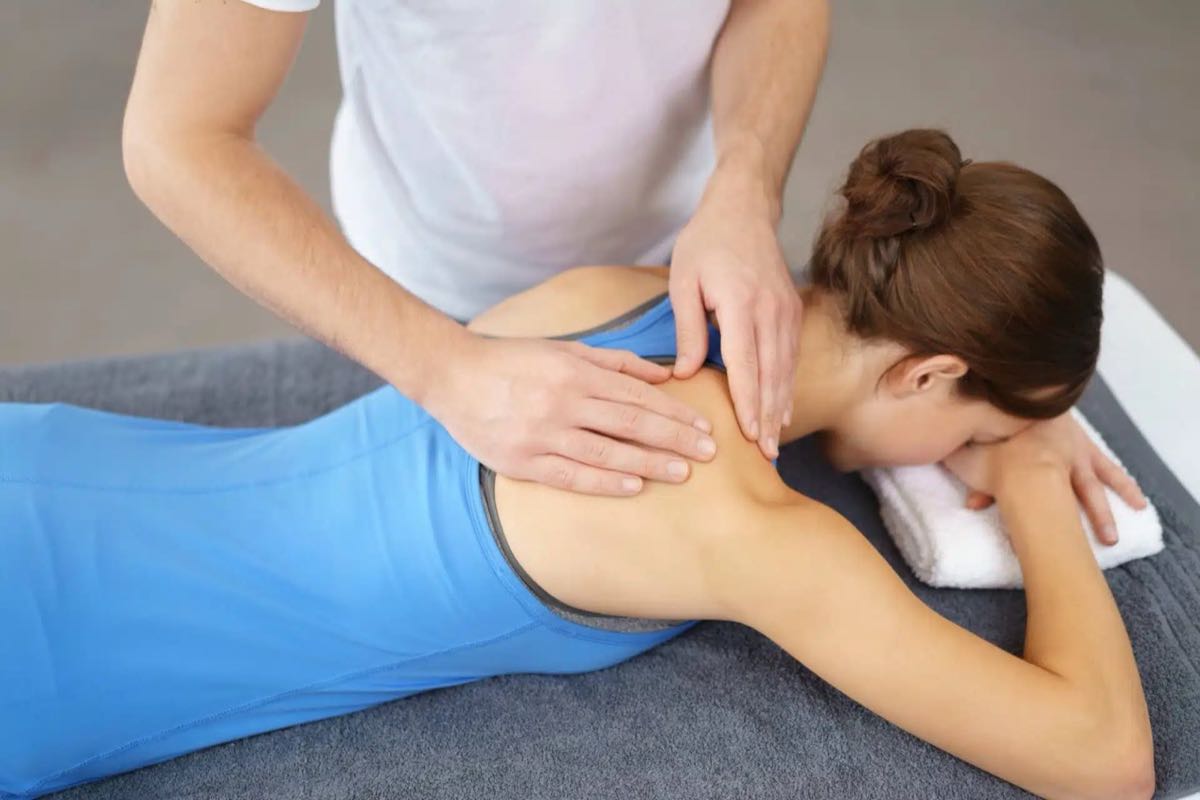
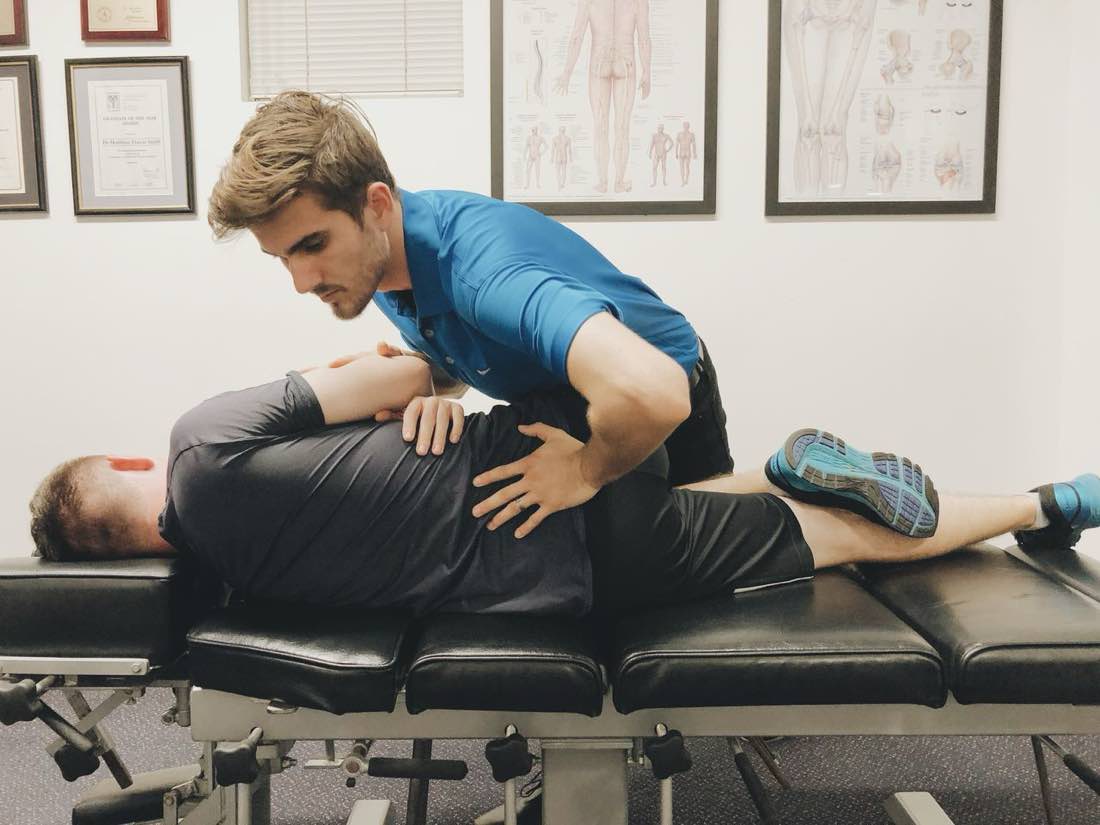
Good cuff rehab is a progression, not a sheet of pendulum swings. The early phase settles pain and restores comfortable range, using hands-on treatment and easy loaded movements; complete rest is actively unhelpful, because an unloaded cuff weakens. The middle phase is progressive strength work for the cuff and the muscles that control the shoulder blade, and it is where most of the recovery happens. The final phase rebuilds capacity for the specific things you need: lifting grandchildren, swimming, throwing, trade work overhead. Expect roughly 12 weeks to feel substantially better and up to six months for full capacity in heavy or overhead activity. Tendons adapt slowly, and the programs that fail are mostly the ones abandoned in week four because the pain eased.
Two practical notes while you recover
Sleep is usually the worst part, so try lying on the good side hugging a pillow, or slightly propped on your back; most people find flat on the sore side impossible for a while, and that is fine. And keep using the arm for normal daily tasks within reasonable comfort. Movement is medicine here, provided the dose is managed, and managing the dose is exactly what your physio is for.
Start with an assessment, not a scan
If your shoulder has been aching for more than a couple of weeks, is waking you at night, or feels weak when you lift, book an assessment. Our physiotherapists will test the cuff properly, tell you which category you are in, and be straight with you about whether rehab, imaging or a surgical opinion is the right next step. Read more about shoulder pain and our physiotherapy service, then book online or call (07) 5478 2333 for Mooloolaba or (07) 5441 4768 for Nambour.